12 Oct 2026
Switzerland's Approach to Regulating No-Deposit Incentives in Mobile Roulette and Slot Mechanics
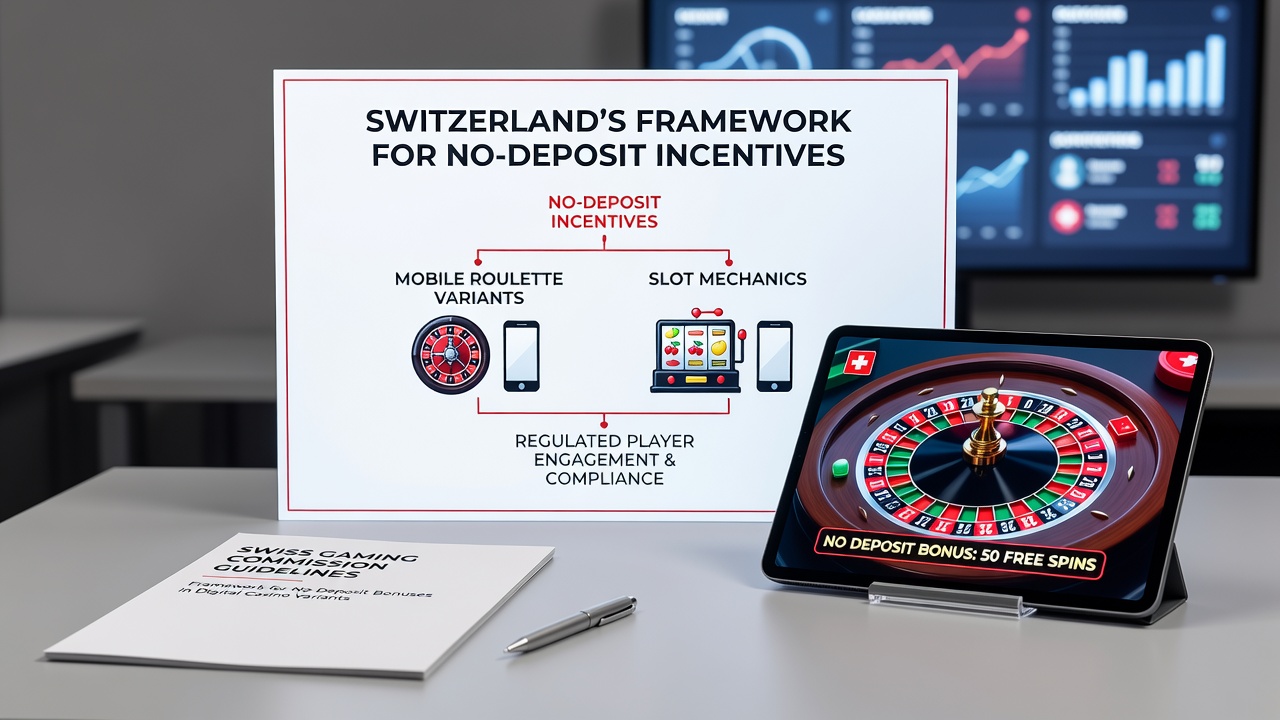
Switzerland maintains a structured licensing system for online gambling that covers no-deposit incentives offered on mobile platforms, and these rules apply directly to roulette variants along with slot mechanics. The Federal Act on Gambling, enacted in 2018 and implemented from 2019 onward, sets the foundation for how operators may deliver such promotions without requiring an initial player deposit. Data from regulatory filings indicate that licensed providers must adhere to strict transparency standards when advertising these offers, including clear disclosure of wagering conditions and game eligibility.
Core Elements of the Swiss Licensing Model
Operators seeking to provide mobile roulette and slot options must obtain approval from cantonal and federal authorities, and this process includes review of any no-deposit bonus structures. Research published by European gaming oversight bodies shows that Switzerland requires all promotional mechanics to align with player protection protocols, which means bonuses cannot exceed defined thresholds tied to average session volumes. Those who have examined the system note that roulette variants, whether European or American wheel formats, fall under the same bonus eligibility criteria as standard slot titles, though payout percentage reporting differs slightly between the two categories.
Figures from industry compliance reports reveal that no-deposit incentives in Switzerland typically carry wagering multipliers ranging from 20x to 40x, depending on the game type and operator license tier. Mobile delivery adds another layer, since location verification and device authentication must occur before bonus activation. Observers note that slot mechanics often receive higher visibility in promotional materials because their random number generator certifications align more readily with automated compliance checks.
Mobile-Specific Requirements for Roulette Variants
Under the current framework, mobile roulette applications must integrate real-time auditing tools that track bonus usage across live dealer and RNG-based versions. As of October 2026, updated technical guidelines require operators to implement enhanced session timers that prevent rapid cycling of no-deposit funds through multiple roulette spins. Studies conducted by academic research centers in Canada have documented similar patterns in other jurisdictions, confirming that such timers reduce excessive play velocity while preserving game integrity.
Providers offering variants like multi-wheel roulette or mini-roulette on mobile must submit separate certification for each mechanic before any associated no-deposit offer becomes available. This ensures that bonus conversion rates remain consistent across different wheel configurations and betting layouts. External data from the Australian Gambling Research Centre indicates that comparable verification steps have lowered dispute rates in regulated markets by measurable margins.

Slot Mechanics and Bonus Allocation Rules
Slot titles available through Swiss-licensed mobile platforms operate under contribution percentages that determine how much each spin advances wagering requirements attached to no-deposit incentives. High-volatility slots, for instance, contribute at lower rates than medium-volatility options, according to compliance documentation released by licensed operators. Those who've reviewed the technical specifications understand that this tiered system prevents any single game category from dominating bonus clearance statistics.
Mechanics involving cascading reels or expanding wild features receive the same scrutiny as classic three-reel formats, yet the framework allows operators flexibility in setting bonus validity periods. Data collected through federal reporting channels show that most no-deposit slot promotions expire within seven to fourteen days, after which unused credits are removed automatically. This structure maintains consistency with broader responsible gaming measures embedded in Swiss legislation.
Cross-Border and Enforcement Considerations
Enforcement relies on cooperation between cantonal gaming boards and federal oversight bodies, which conduct periodic audits of mobile transaction logs. When violations occur, operators face license suspension or financial penalties proportional to the scale of the infraction. International comparisons drawn from regulatory reports in Australia demonstrate that Switzerland's approach emphasizes pre-approval of promotional terms rather than post-hoc investigations alone.
Players accessing these platforms must complete identity verification steps that include proof of Swiss residency or permitted cross-border access, and this requirement extends to no-deposit incentive claims. The system therefore limits eligibility to individuals within approved jurisdictions while still permitting mobile play across compatible devices.
Conclusion
Switzerland's framework integrates licensing, technical certification, and ongoing monitoring to govern no-deposit incentives across mobile roulette variants and slot mechanics. Regulatory updates scheduled through late 2026 continue to refine verification protocols and contribution rules, ensuring alignment with both player protection standards and operational transparency. Compliance data collected from licensed providers underscore the framework's emphasis on measurable controls rather than broad prohibitions.